
What is Waldorf Education?
An education towards freedom
Waldorf education, also known as Steiner education, is an approach to learning which allows children to develop their unique capacities in response to an innovative, flexible and age-appropriate curriculum based on Rudolf Steiner's insights into child development. It was founded in Germany in 1919 and is now the largest independent school movement in the world.
'Head, Heart and Hands'
Waldorf education addresses the whole child, meeting the human need to develop physically, emotionally, socially and intellectually. The necessity of balancing the practical and artistic with the academic is embedded in everything we do. Arts and crafts are not an 'add-on' in Waldorf schools: the students learn through practical engagement and all subjects are taught with artistry by their teachers. By integrating the experiential and creative we enable our students to appreciate subjects from multiple points-of-view and to approach new and sometimes challenging experiences with openness and curiosity.
The right thing at the right time
A core feature of Waldorf education is the recognition that children relate and learn very differently at distinct stages of their development; our teaching methods and the structure of the schools reflect this.
In the Kindergarten, there is no formal classroom teaching. The children learn through activities, free play, imitation and gentle guidance. They are given the time and space to be children. Formal learning, including literacy and mathematics, is not introduced until the children are six or seven years old, when they enter the Lower School.
In the Lower School, as far as possible, they will be guided by the same class teacher for eight years, supported by subject teachers. Under the class teacher's consistent leadership, a close learning community is formed. Emphasis is not yet placed on intellectual understanding, but rather on building good working habits and a strong relationship to the world through joyful and meaningful encounters with every subject.
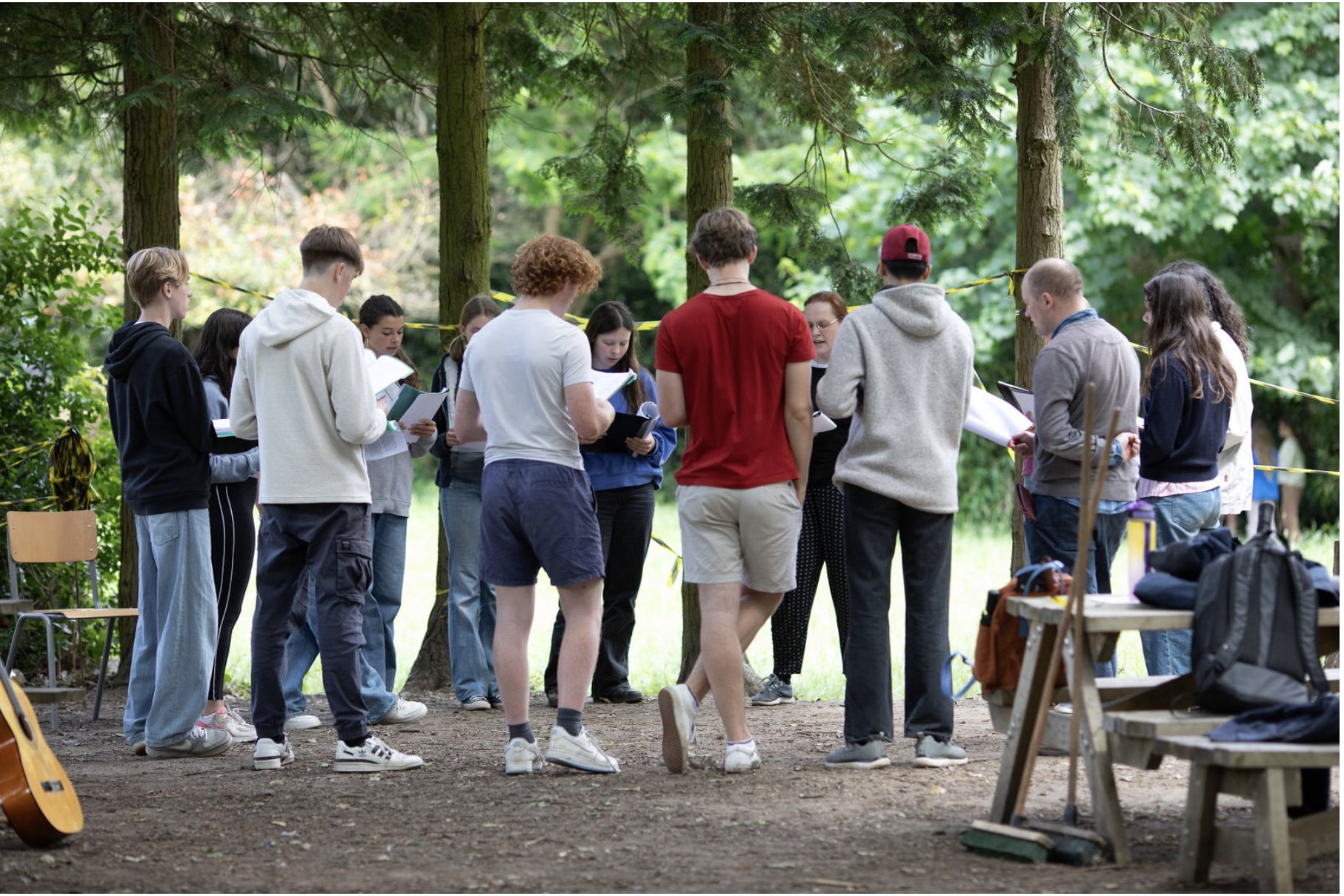
When the students graduate to the High School at fourteen years old, they will be instructed by specialists in each field and expected to take on a high degree of responsibility for their learning. In response to a broad and rich curriculum, our adolescents are encouraged to sharpen their powers of thought and imagination, take initiative and exercise judgement. In Class 10 they begin the process of formal assessment with the accredited Certificate of Steiner Education (see below) and by Class 12 they specialise in their chosen subjects as they stand on the threshold of adulthood.
Thus, from nurture and imitation, to discipleship, to independence and responsibility - this is the child's journey of learning as they progress through the school.
Lighting fires, not filling buckets
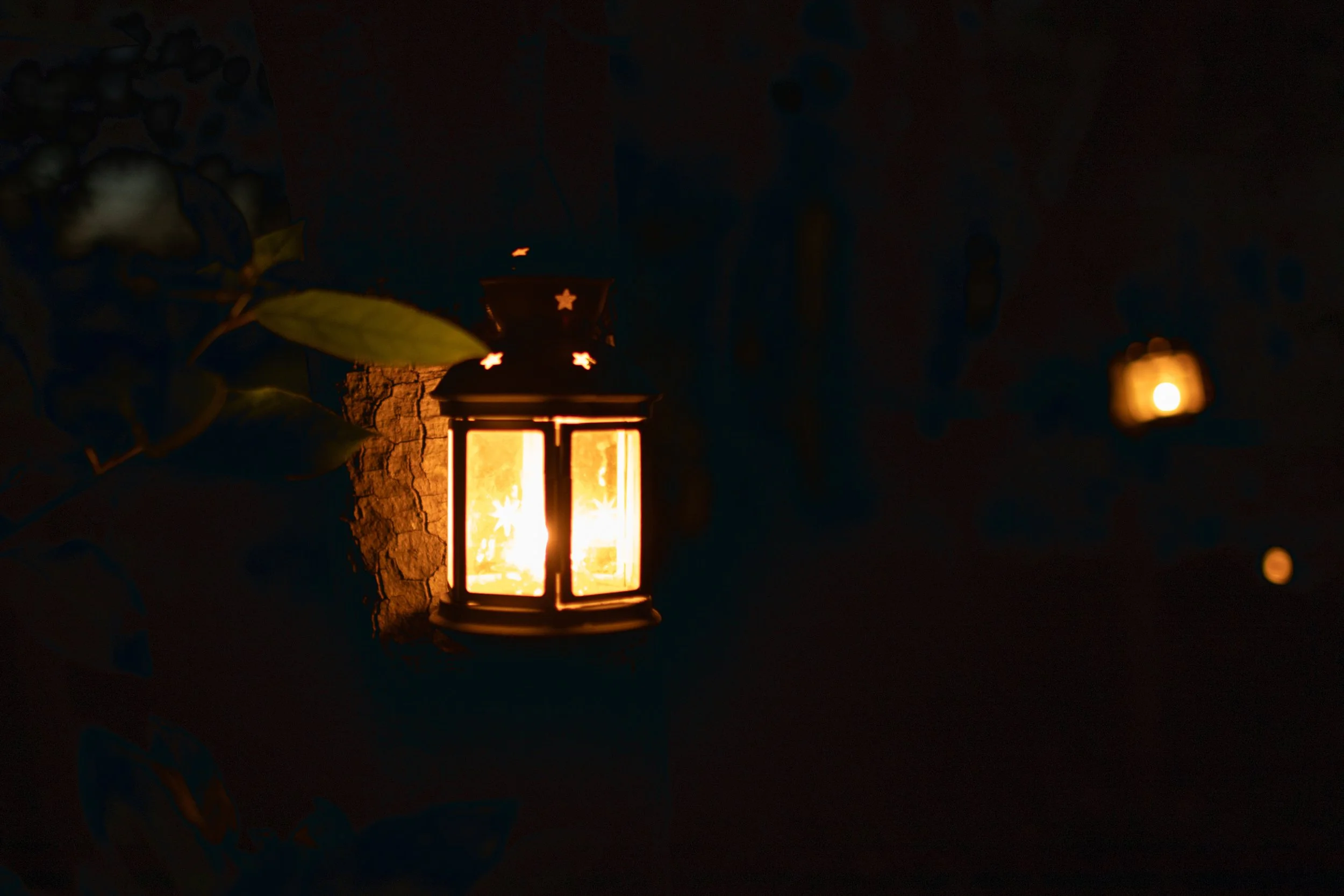
The question for us in the Steiner school is not so much 'what specific knowledge or skillset do the students require in order to fit into the current marketplace?', but rather, 'what experiences do they need, what encounters should they have, in order to develop into capable, confident and responsible human beings?' Specific lesson content, therefore, is chosen by the teacher for its ability to enthuse and inspire the students and to help them grow. Classes are small, teachers know their students well and can assess their progress through the year. There is no formal testing before the students are 15 years old.
Assessment and qualifications
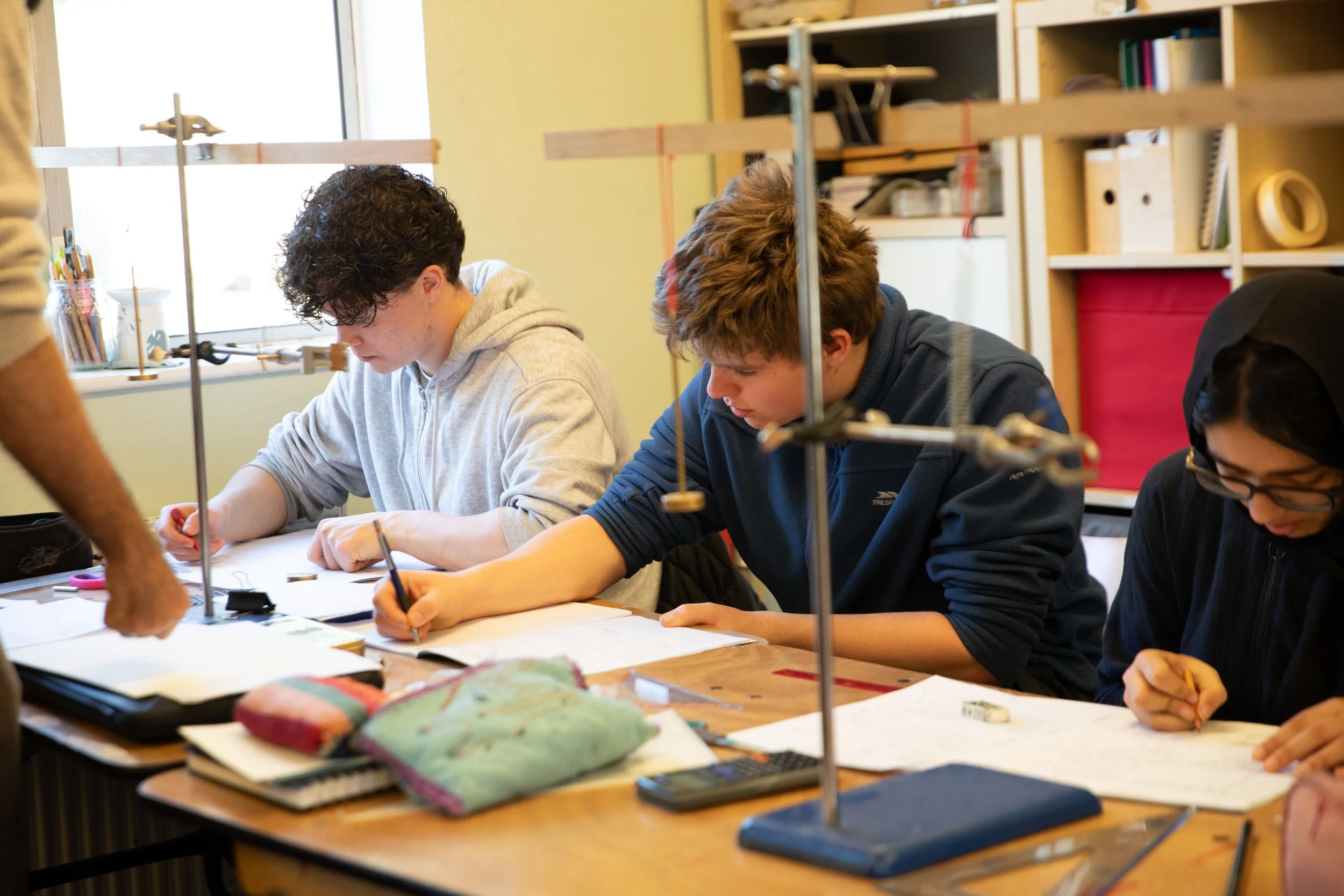
Instead of GCSEs or A-Levels, we offer the New Zealand Certificate of Steiner Education (NZCSE). This qualification is recognised by universities in the UK, Europe and other countries that are signatories to the Lisbon Recognition Agreement. This allows us to continue to deliver a broad, rich and developmentally appropriate Waldorf curriculum right up until our students finish school. Our graduates with the NZCSE at Level 3 have so far been 100% successful in gaining places at the universities of their choice.
See below for more information and visit our High School section.
The Human Spirit and the rhythm of the year
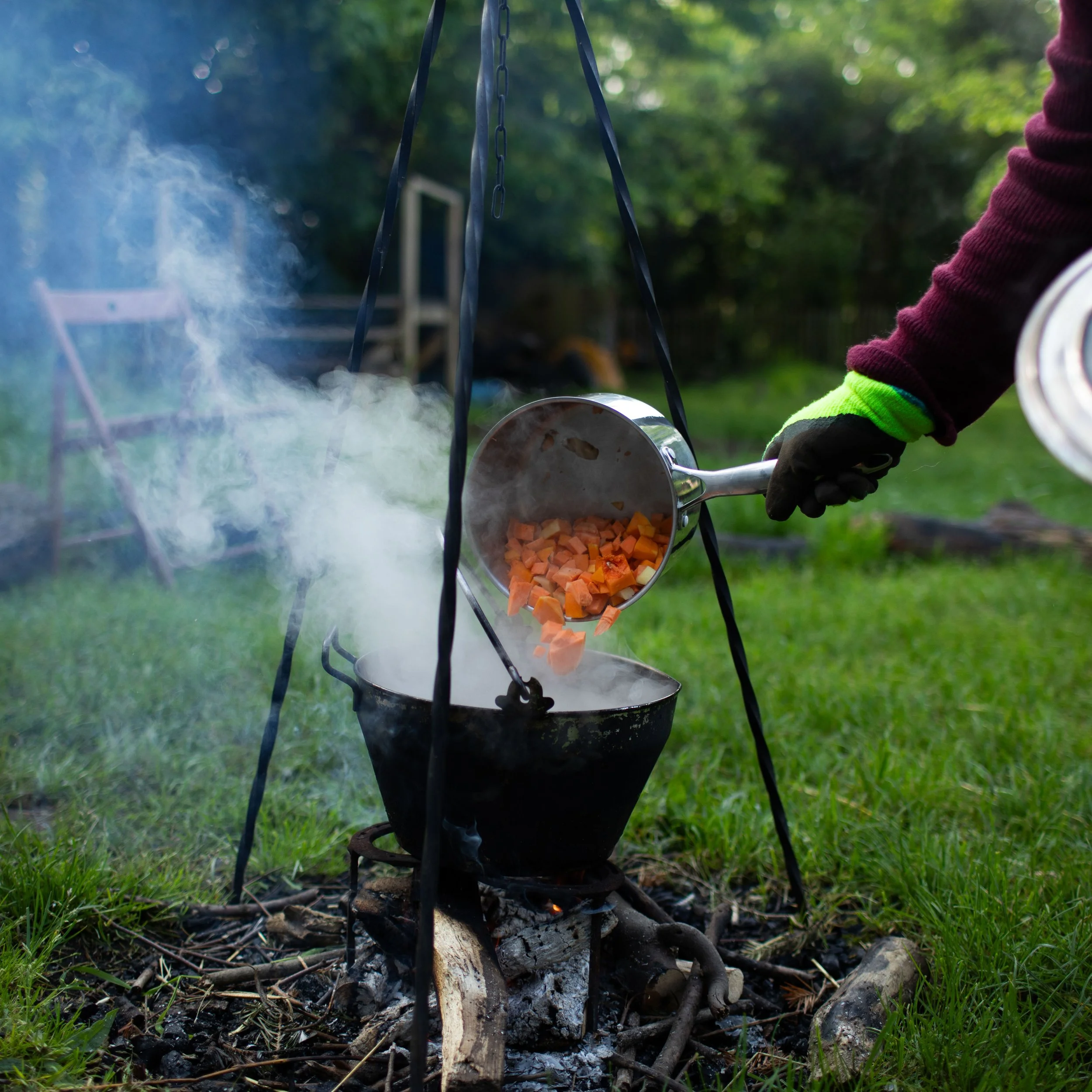
The way that we see the world and the people in it determines the way that we engage with it. In the Waldorf school, the human being is seen not as a programmable biological machine, but as a person of agency with a spiritual dimension, holding the potential to form a free, responsible and meaningful relationship to the world. This picture is informed by Rudolf Steiner's understanding of the human being, which he called Anthroposophy - literally 'wisdom of the human being'. Waldorf schools are not religious schools - communities across the globe have adapted this education to their own cultural contexts, recognising its potential to complement and enrich their heritage - but our lessons are imbued with a reverence for the natural world and the moral accomplishments of humanity.
Main Lesson
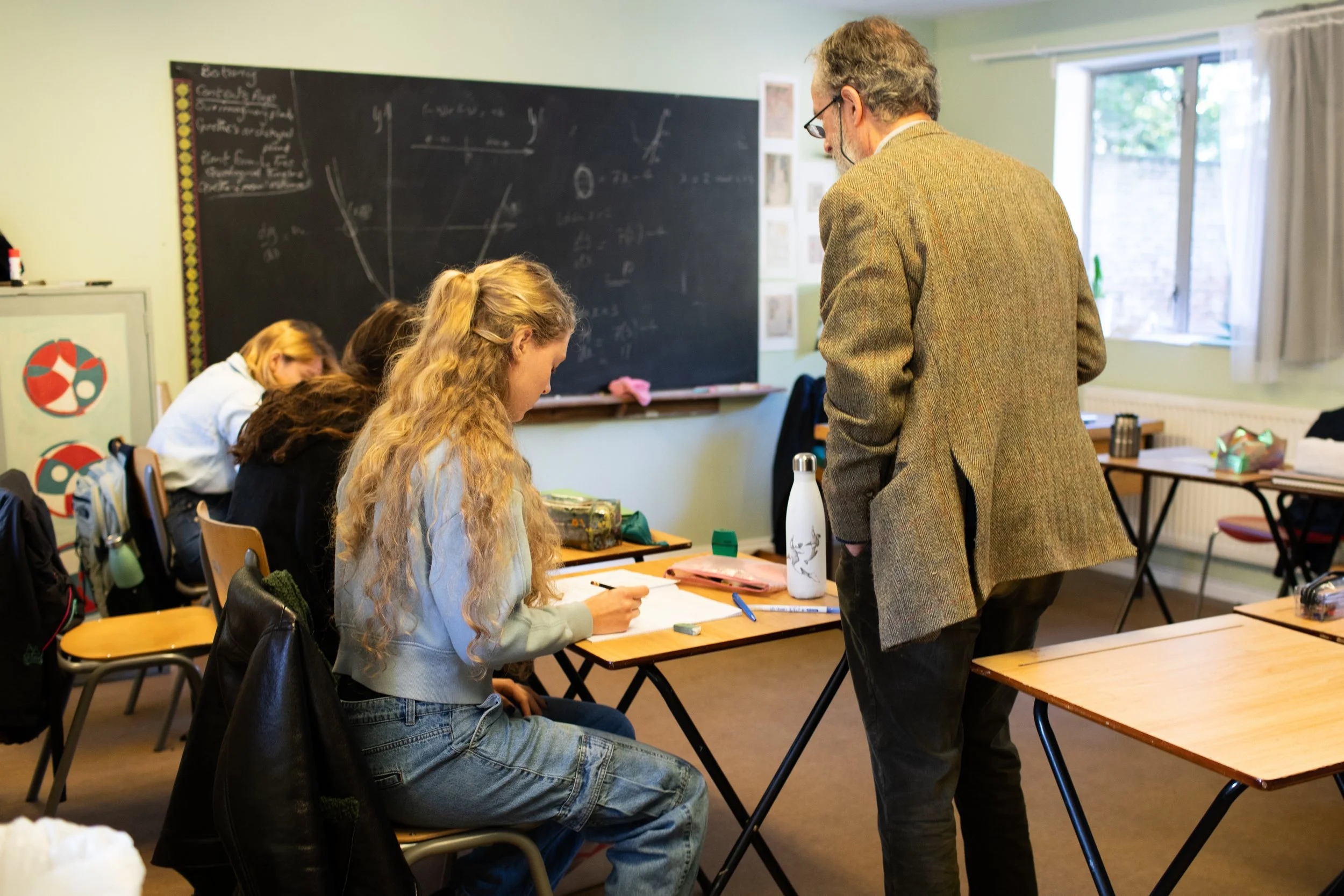
Some well-established traditions of Waldorf pedagogy have recently started to be taken on by mainstream education as cutting-edge practice. One these features is 'block'-style learning. We call this the 'Main Lesson'. This is a two hour lesson first thing every morning in which subjects such as writing and reading, maths, geography, history and sciences are taught individually in three or four-week blocks. In this way, each topic can be entered into deeply and thoroughly for that time and, through continuity, the children can form a strong connection with what they are learning.
The Main Lesson is carefully and rhythmically structured so that the children have to listen, work independently, participate, collaborate and think at different times. The lesson 'breathes'. The subjects taught in Main Lessons are broad throughout the school and increase in diversity as the children get older. See our Curriculum Policy for more information.
We believe that children learn best not by being told things, but through being active. Main Lessons, especially in the Lower School, often involve singing, music, recitation, movement, painting and drawing. These practical and artistic activities are an integral part of the lessons and the children learn through them in a multi-sensory way, developing practical understanding, imagination and creativity.
After Main Lesson each day, the children have a snack and a break, then go to their subject lessons.
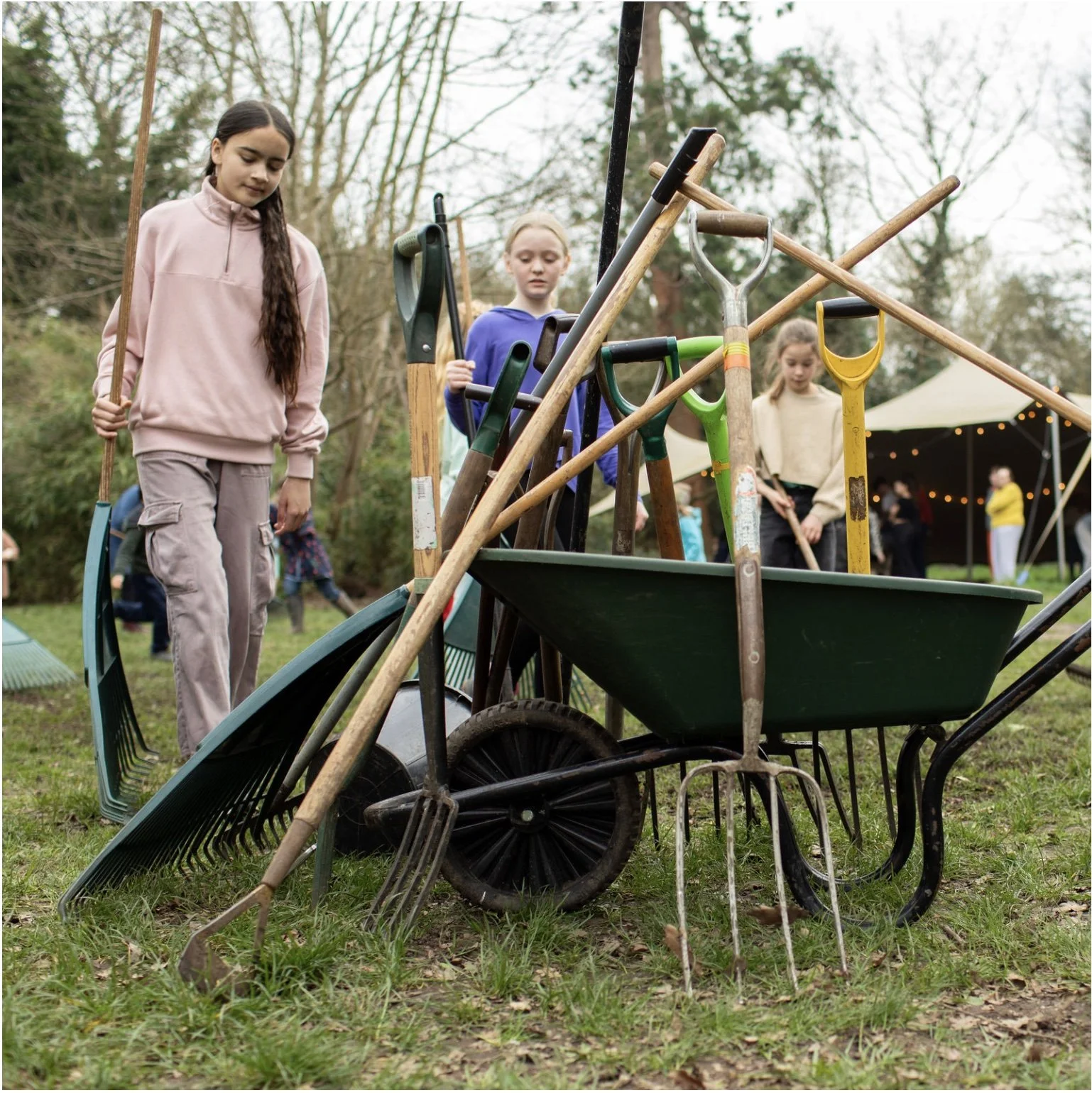
Outdoor Curriculum
That I, with all my might, may love to work and learn.
(from the children’s morning verse)
Steiner education is sometimes described as an education of ‘head, heart, and hands.’ In other words, the education of children in their thinking, in their feeling, and in their will; it is this third aspect which we strive to develop in part through our Outdoor Curriculum.
What is it that enables certain people to work with determination and persistence towards their goals, whilst others give up or become distracted? We may all have good ideas and cherish valuable dreams, but without doing something about them, they will never be realised. Can this application of effort be taught? It seems rather important that it should, and in a way which will help the children to work freely in the world when they are older, without having to be compelled to work only through necessity or reward.
In the Kindergarten the children are always busy, and their play often looks like a little version of the adult world of work: within a morning one can observe here a construction site, there a kitchen, “next door” a doctor’s office. The children work out of imitation and in so doing display a naturally strong will to work, which expresses itself quite unconsciously.
In the Lower School the children are helped to develop good working habits: how to hold their pencils, sit properly, form their work in an orderly way. They also take an active role in the care of their classrooms. They are each given a task to do for the week or month, or even for the whole term: cleaning the blackboard, or sweeping up after lunch. This is their job and they learn to take responsibility for it. The more they become accustomed to working for their little community without a second thought, the more they build a strong foundation to carry them through the tasks they will eventually set for themselves as adults.
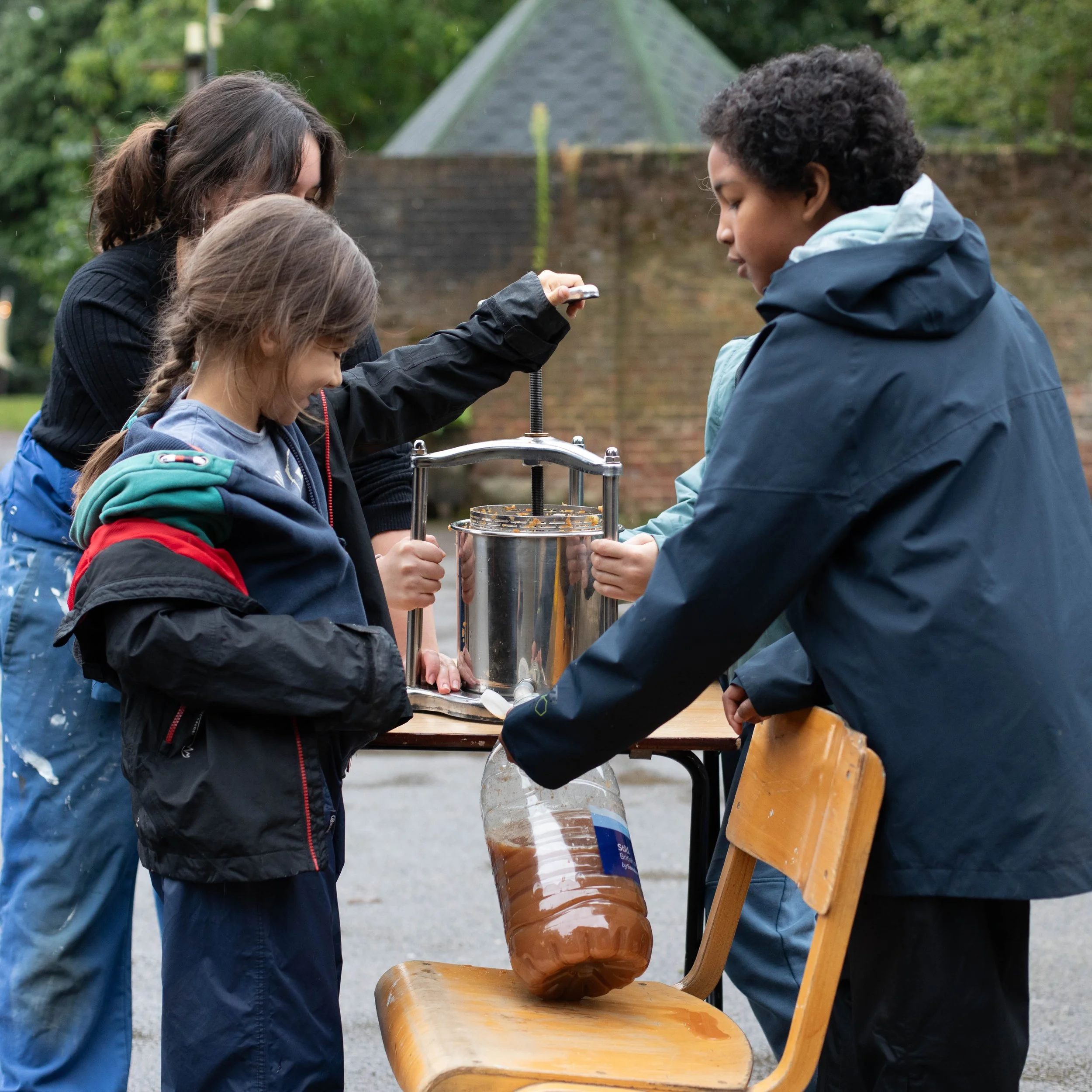
As the children grow older and more able this ‘little community’ gradually increases to encompass more of the school and the pupils are given more responsibility. The children work outdoors on gardening projects and improvements to the school grounds and, when they reach adolescence, take part in maintaining the school by carrying out repairs, cleaning the gutters and building new buildings. Most of these jobs are novel and fun to begin with, but, as with a knitting or a woodwork project, they require that little bit of uphill struggle at the end to finish properly. The more the students become accustomed to this experience and to seeing the fruits of their labour, the more formidable they will be when they set out into the world, to realise change for the better.
Another task of our Outdoor Curriculum is to bring the pupils consciously into their surroundings. During the academic year pupils spend a large portion of their time at school, and it is crucial that care for the space they inhabit is part of their learning experience. Again this responsibility, like the weight of tasks, increases incrementally as the children grow up, but always the children have a part in caring for their environment. This work is invaluable as it not only develops the will and helps locate the children geographically; it also teaches them practical skills essential in the modern world.
Often in timetabling ‘Outdoor Curriculum’ or ‘Maintenance’ become synonymous with ‘Gardening’, but of course allowing the pupils to work in nature, particularly in the Lower and Middle School, remains an essential part of our education. As well as helping to maintain what we already have, the pupils spend a great deal of time developing new spaces such as the herb garden, kitchen garden, and class allotments. Through this the children help to transform spaces, see them grow, and pass them onto the younger classes. Working with the Biodynamic calendar, planting and sowing on flower-, leaf-, and root-days, a variety of plants and tools are used and students learn new skills according to their age and ability.
The value of all of this work is perhaps most evident at Michaelmas when we hold our annual Work Day. All of the Lower, Middle and High School pupils are given tasks which will help beautify, maintain and enliven the school itself. Age groups are often mixed for this day giving the pupils a greater feeling of working communally towards a common goal.
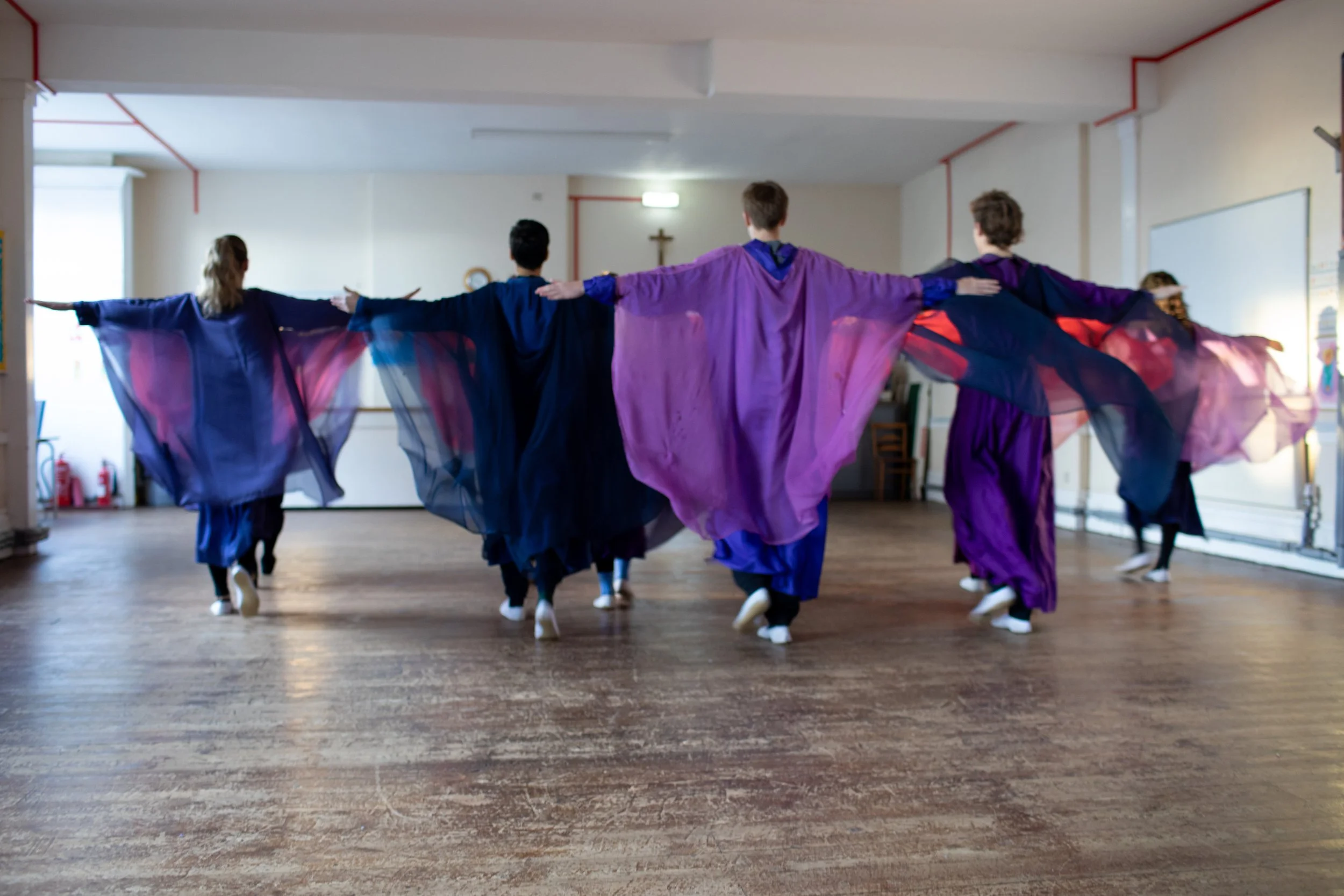
Eurythmy
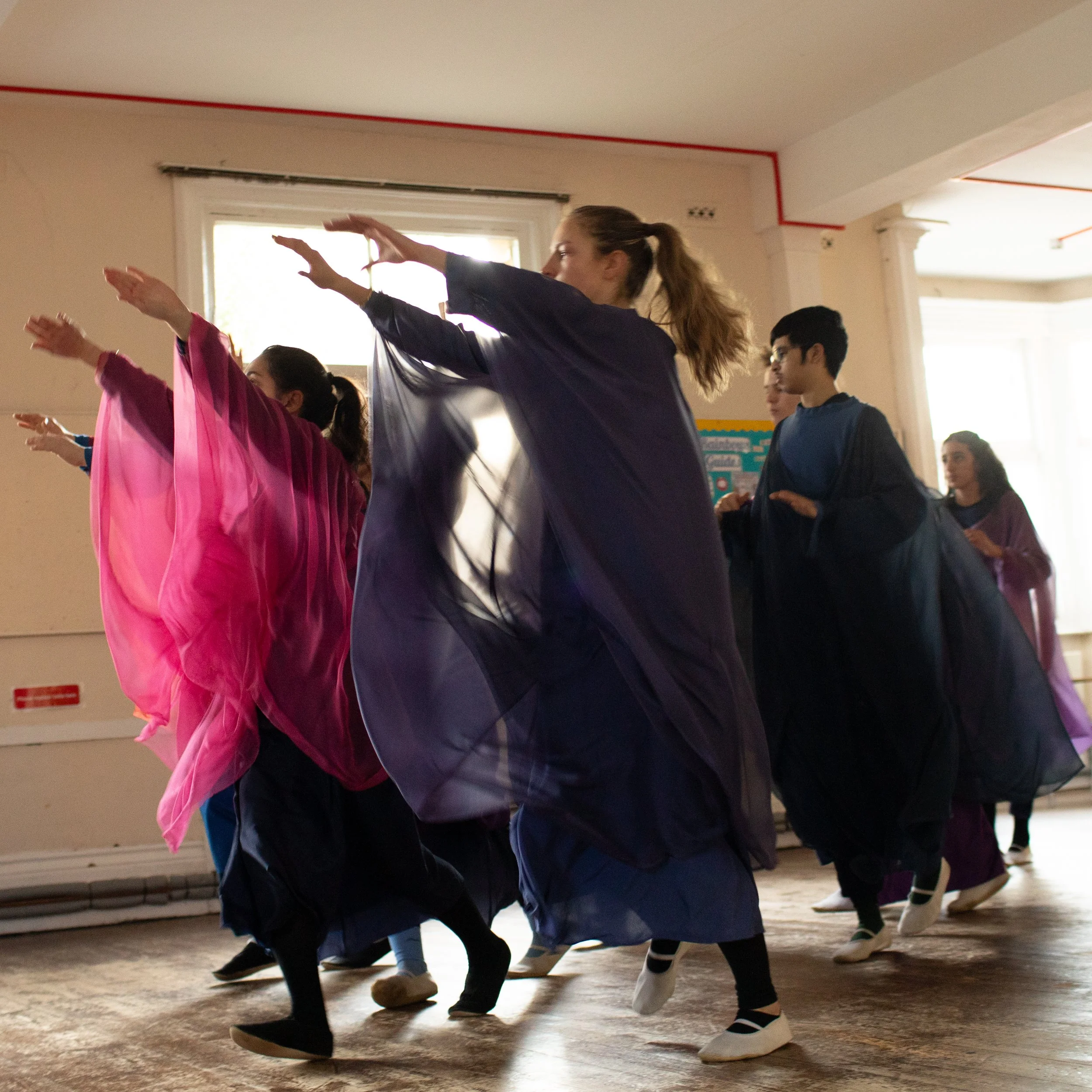
Eurythmy is a new art form of movement and a core component of Waldorf education. It works on the human being in a multi-faceted and multi-layered way.
There are two aspects to this art form: Speech eurythmy (word) and Tone eurythmy (music), and both overlap and entertain the other to bring a deep, sensitive and wide range of faculties, skills and capacities which enhance the child’s development spiritually, emotionally and physically over their years at school.
Language and Communication: In the art of eurythmy, prose, poetry and music are made visible through performing specific gestures and choreography. A profound appreciation and a feeling for the beauty of language is encouraged through a multidimensional, multi-sensory experience of speech sounds, words and imagery.
Health and Well-being: Eurythmy fosters the development of multiple physical skills. It promotes development of social capacities, and fosters alignment of the child’s inner experience and outer expression.
Senses: Eurythmical movement engages and enhances the senses in multiple ways; supporting meaningful sensory processing and sensory integration, good communication and understanding.
Social skills, Empathy, Group participation, Inquiry: Eurythmy develops social competence and empathy through social interaction, social skills, and awareness of others, and self in relation to the world.
Aesthetics, Imagination and Creativity: As an art of movement, eurythmy engages the imagination, develops creativity and nurtures aesthetic sensibility. It also enhances a sense of identity and understanding of the world cultures through poetry, stories and music.
Lifelong Learning: Eurythmy supports learning as a holistic, transformative experience through creative processes enabling independence, self-confidence and self-motivation.
Holistic Thinking and Spiritual Experience: The art of eurythmy engages the whole human being and supports the integration of the soul- spirit through the medium of movement. It develops inner mobility in thinking, feeling and will, thus enabling a more complete expression of the individual.
Future Thinking/Judgement: Engaging in eurythmy promotes physical, mental and emotional presence. Coherent understanding of the past, awareness of the present and cognisance of the immediate future enables meaningful, well judged action. Flexibility of approach, intuitive thinking and instinctive action are encouraged through creative processes. In turn this encourages mindfulness and nurtures those qualities of soul which support the development of moral capacity and the ability to form sound autonomous judgements.
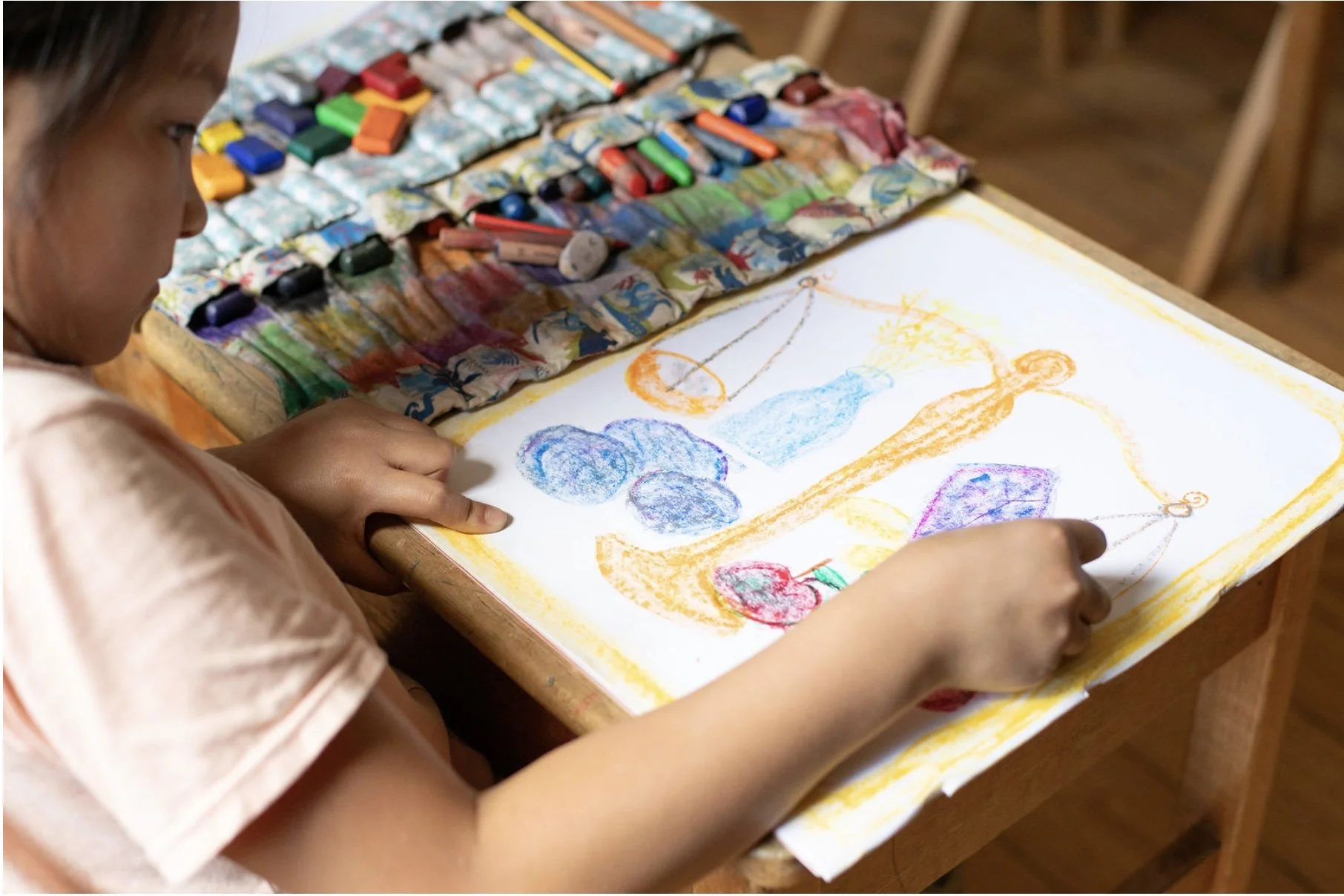
Arts and Crafts
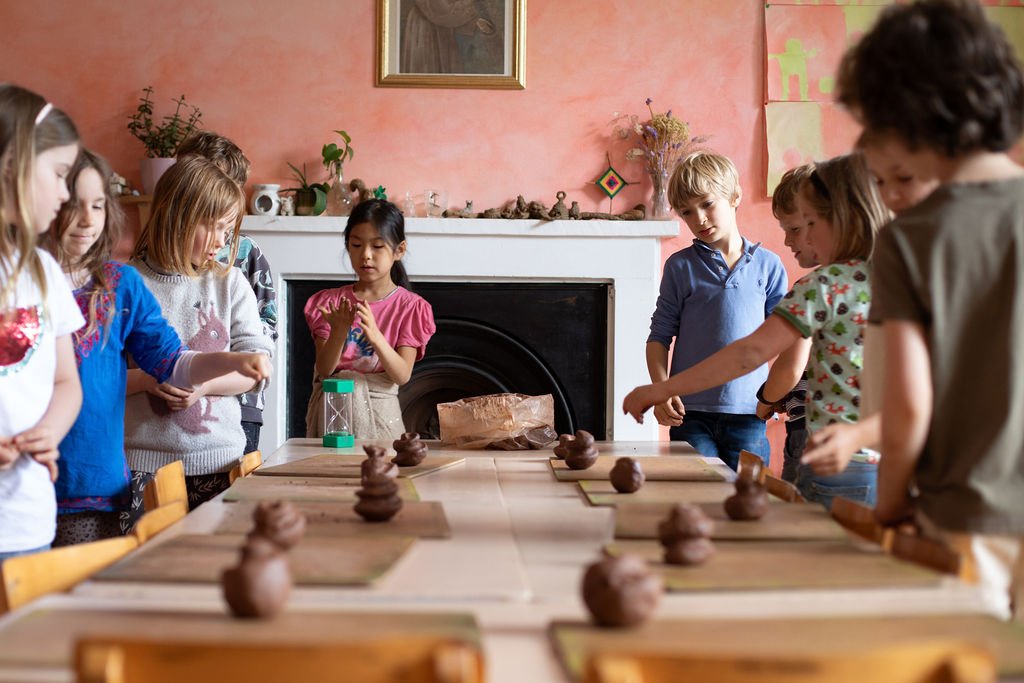
Practical arts and crafts are central to our curriculum. Children learn to make things, to work with their hands, with colour and form, and to use tools and handle materials skilfully from Kindergarten. Regular art and craft lessons continue throughout the school and with the guidance and expertise of their teachers, pupils can develop their skills to a high standard; they learn to manage and overcome difficulties; they come to understand, through experience, the qualities of different materials; they develop an aesthetic sensitivity and experience the joy and satisfaction of creating beautiful things. All of this has a profound effect on the way they approach everything they do.
More detail can be found here.
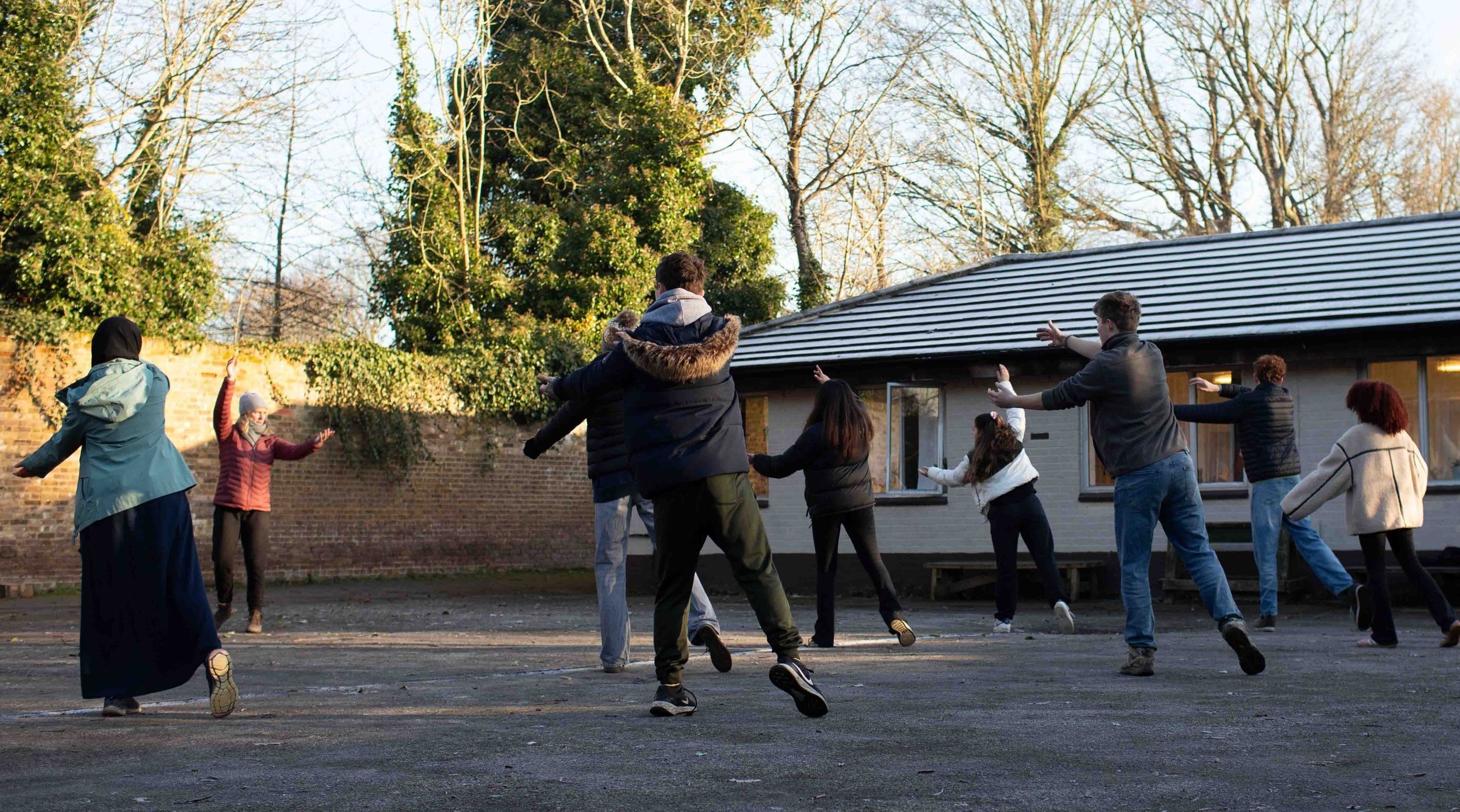
Bothmer
Bothmer Movement came into being through the work of Count von Bothmer as the PE teacher in the first Waldorf school. Spending many long hours researching the qualities of space, he became aware of how these creative, spiritual forces work upon the human body. Through practicing Bothmer Movement the growing child can learn to live in the three dimensional earthly space without becoming imprisoned in the physical, material world.
There are around 30 Bothmer exercises that give us a picture of the developing child from around aged 8 up to age 18. These exercises trace and enhance the spatial development of a child. They inform the physical education curriculum, where, in the younger years games and activities are brought in an imaginative manner and the children can climb into the picture of the game. As the children grow, pre-sport games are introduced where skills and awareness are needed but without the restrictions and conventions of sports. Then, in the pre-teen and teenage years, a wide range of sports and activities are introduced in the curriculum.
When children are taught Bothmer they are presented with the possibility to more readily master the forces of space which pass through and around them. The six directions and three planes of space, each have a particular nature, enlivening the space around us, which asks to be worked and managed. Different parts of the body have different functions in movement and these can be helped to develop. The results of this education over time can be seen in health, posture, coordinative ability, confidence and ease of movement, and an overarching organisation of one's being.
NZCSE Certification
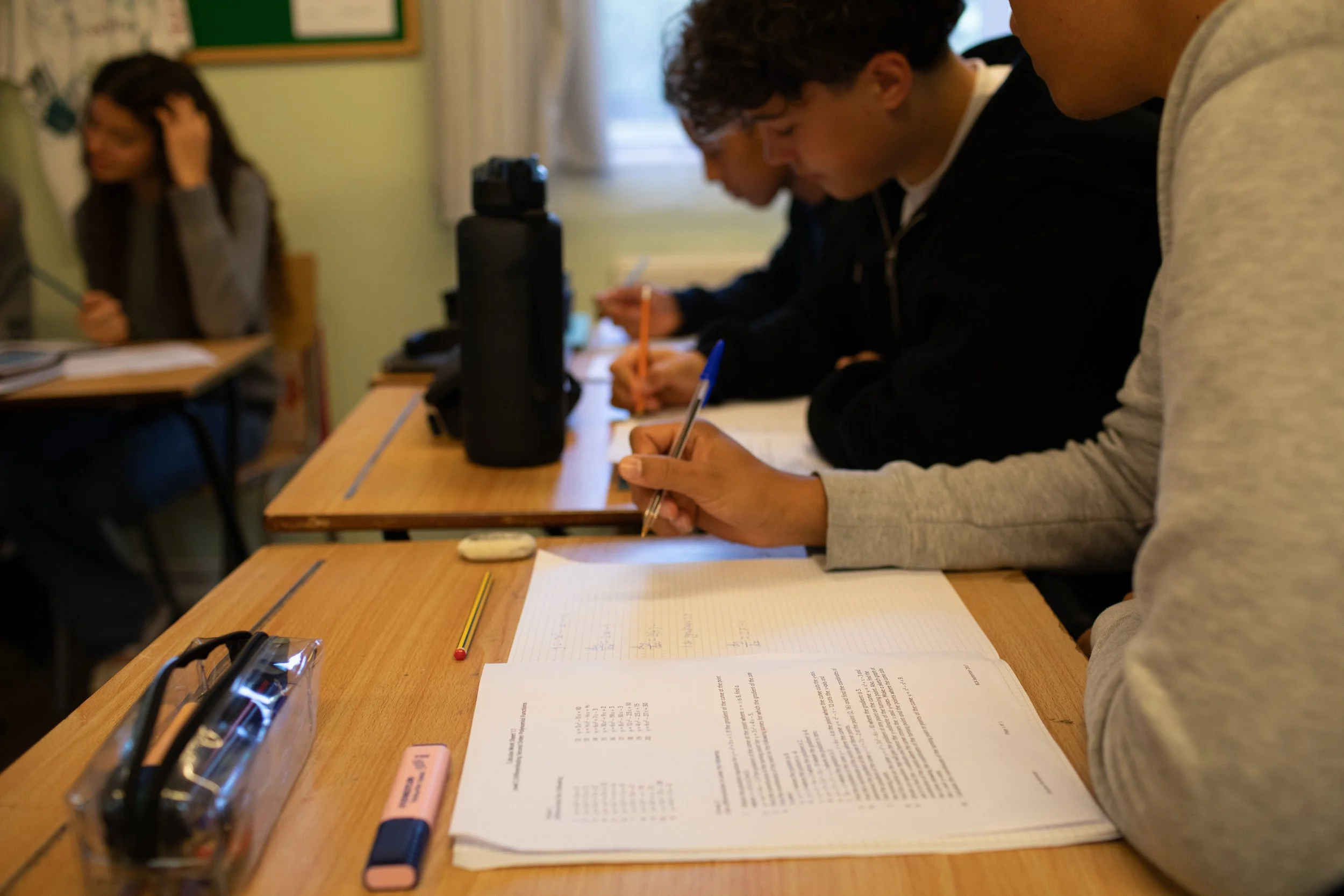
The St Michael High School offers assessment and certification through the New Zealand Certificate of Steiner Education (NZCSE). This is a three year course which is open to students in their final three years of school. Typically students in Class 10 work towards Level 1, in Class 11 Level 2, and in Class 12 Level 3. The Level 3 certificate, including three specialist subjects and with university entrance literacy and numeracy, enables students to enter higher education courses.
The St Michael High School has been running the NZCSE since 2013. Not only does it give our students the qualification they need to go to university, but its adaptable and rigorous structure allows students to benefit from a broad, nourishing curriculum, whilst growing towards their particular interests. The NZCSE is based on equipping students with the skills they need, and methods vary from supported exam style assessments, to oral presentations and performances, portfolios of art work or scientific exploration, essays and reports, as well as practical projects.
The NZCSE is now familiar to most universities in the UK, and some further afield, and we remain active in making connections with the specific university departments to which our students apply. At the time of writing, 100% of our students have received offers from universities of their choice, and some alumni have also gone on to postgraduate study.
The NZCSE does not aim to test students, but rather to give them the skills and opportunities to succeed in their chosen paths. We work closely with them throughout their time in the High School, offering personal support and advice as they work through the qualification