
Our School
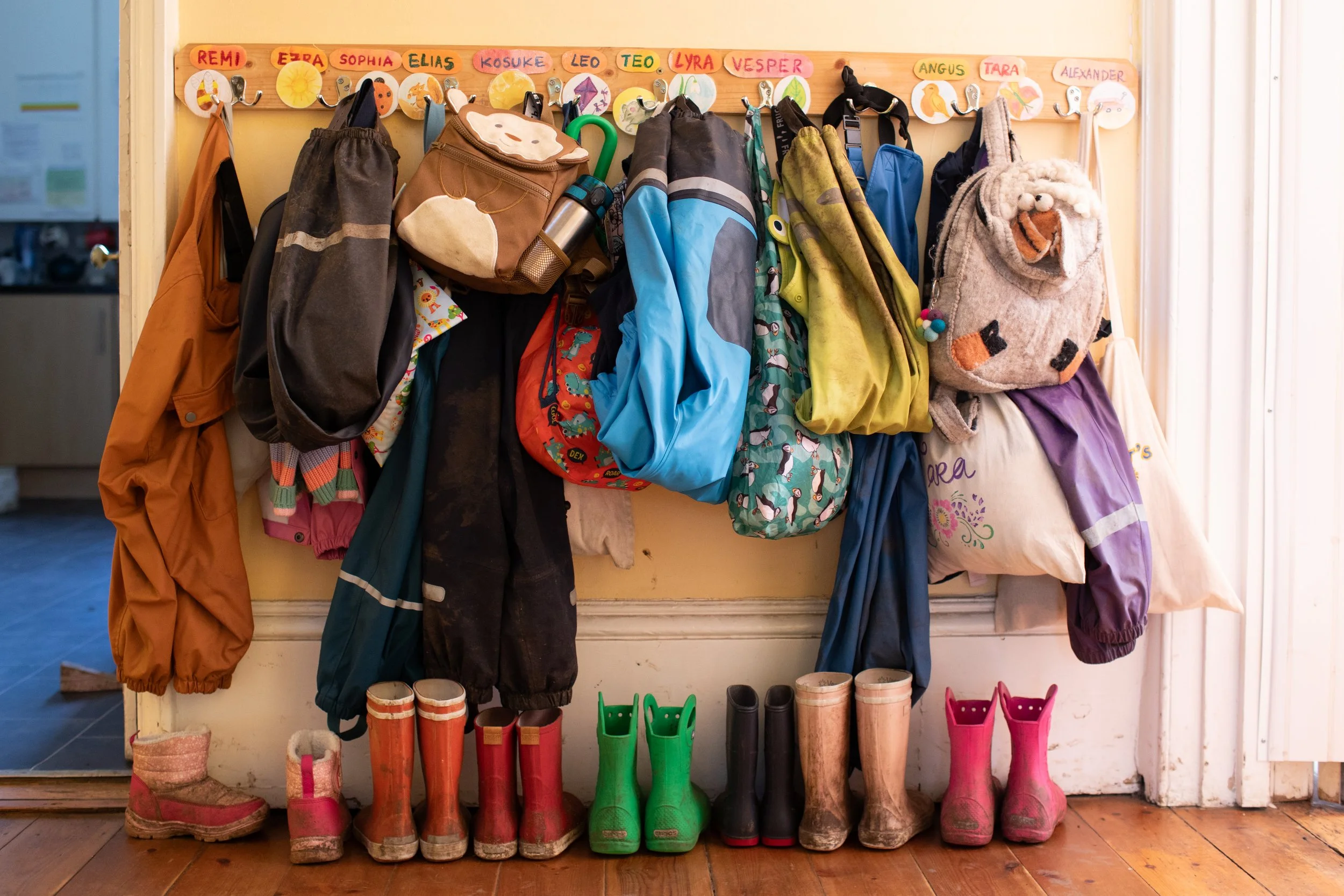
Founded in 2001 we offer Parent and Child groups, Kindergarten and Classes 1 to 12, providing for children and students from birth to 18 years old.

Our Ethos
The first Waldorf (or Steiner) schools in the English speaking world opened in south London in 1925, Gloucester in 1927 and New York in 1928. The German and other European schools were closed by the Nazis in 1939, but many reopened after 1945. Since then this ground-breaking form of education has expanded across the globe; our movement now includes more than a thousand schools worldwide.
“The Waldorf School is not an ‘alternative school’ like so many others, founded on the belief that it will correct all errors in education. It is founded on the idea that the best principles and the best will in this field can come into effect only if the teacher understands human nature. However, this understanding is not possible without developing an active interest in all of human social life. Through a teacher who understands the soul, who understands people, the totality of social life affects the new generation struggling into life. People will emerge from this school fully prepared for life.”
Rudolf Steiner
Our School
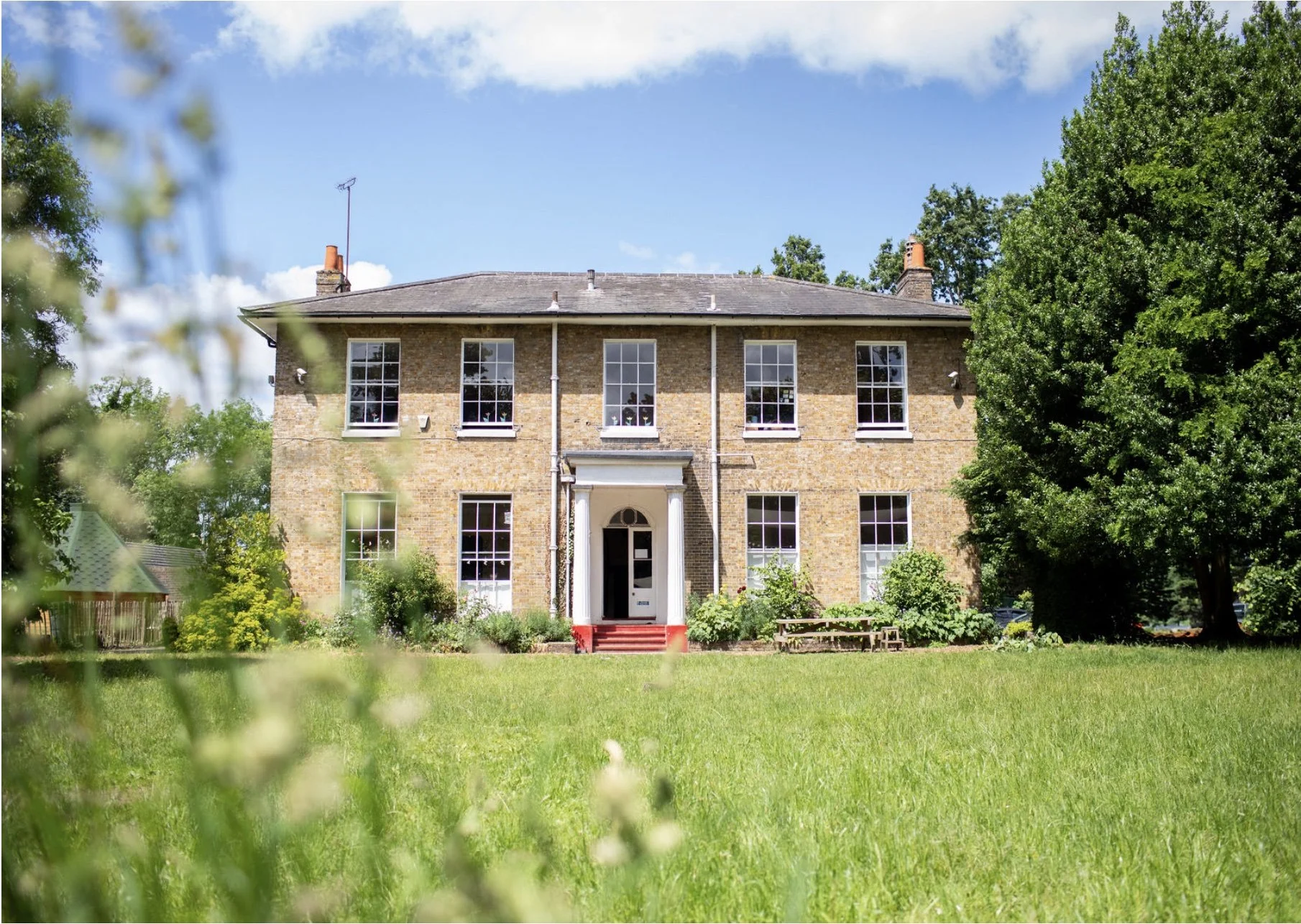
The St. Michael Steiner School was founded in 2001 by teachers with many years experience of living and teaching in London. Our guiding vision was, and remains: a modern, urban school; a continually evolving curriculum based on ongoing observation and understanding of child development; a flexible programme of activities that develops practical skills, imagination and thinking, and acknowledges and addresses the needs and interests of modern children; an education that will prepare children from diverse backgrounds to orientate themselves towards whatever comes to meet them in life.
“Those people who do not allow the current crisis of civilisation to pass by in a kind of soul sleep , but fully experience it, will see that it did not originate in institutions that simply missed their goals and that simply need improvement. Those people will look for the cause deep in human thinking, feeling and will. They will also acknowledge that the education of the coming generation is one of the ways leading to a revitalisation of our social life.”
Rudolf Steiner

Educational Principles
Behind Waldorf Education stands a deep understanding of the human being in body, soul and spirit, which Rudolf Steiner wrote and spoke about in several hundred books and lectures during his life. He called this knowledge ‘Anthroposophy’ – literally ‘wisdom of the human being’ – and in it he described and characterised the stages of development which can be observed in the journey through childhood (and also adulthood). To understand this unique view of child development better, see Rudolf Steiner’s essay The Education of the Child in the Light of Anthroposophy.
There is, of course, a large body of work created by Waldorf teachers over the last century, and many teachers draw on this, as well as on the indications given by Rudolf Steiner, so that a canon of manifestly suitable themes and traditions for each age has become established in most Waldorf schools worldwide. However, this is by no means prescribed. In his lectures on education, Steiner gave many indications for suitable subject matter and approaches to teaching for different ages but always stressed that teachers must be free to interpret these indications in their own way. Indeed, he said, if they did not do so, Waldorf education would become a method as good as, but no better than, many other methods.
However, there are some practices which, because they have proved so successful in providing the best possible education for the children, have become established in most schools. This does not mean that they are never questioned, only that they are used because they continue to work. The two aspects of Waldorf Education most prevalent in this category are the Class Teacher and the Main Lesson.
The Class Teacher
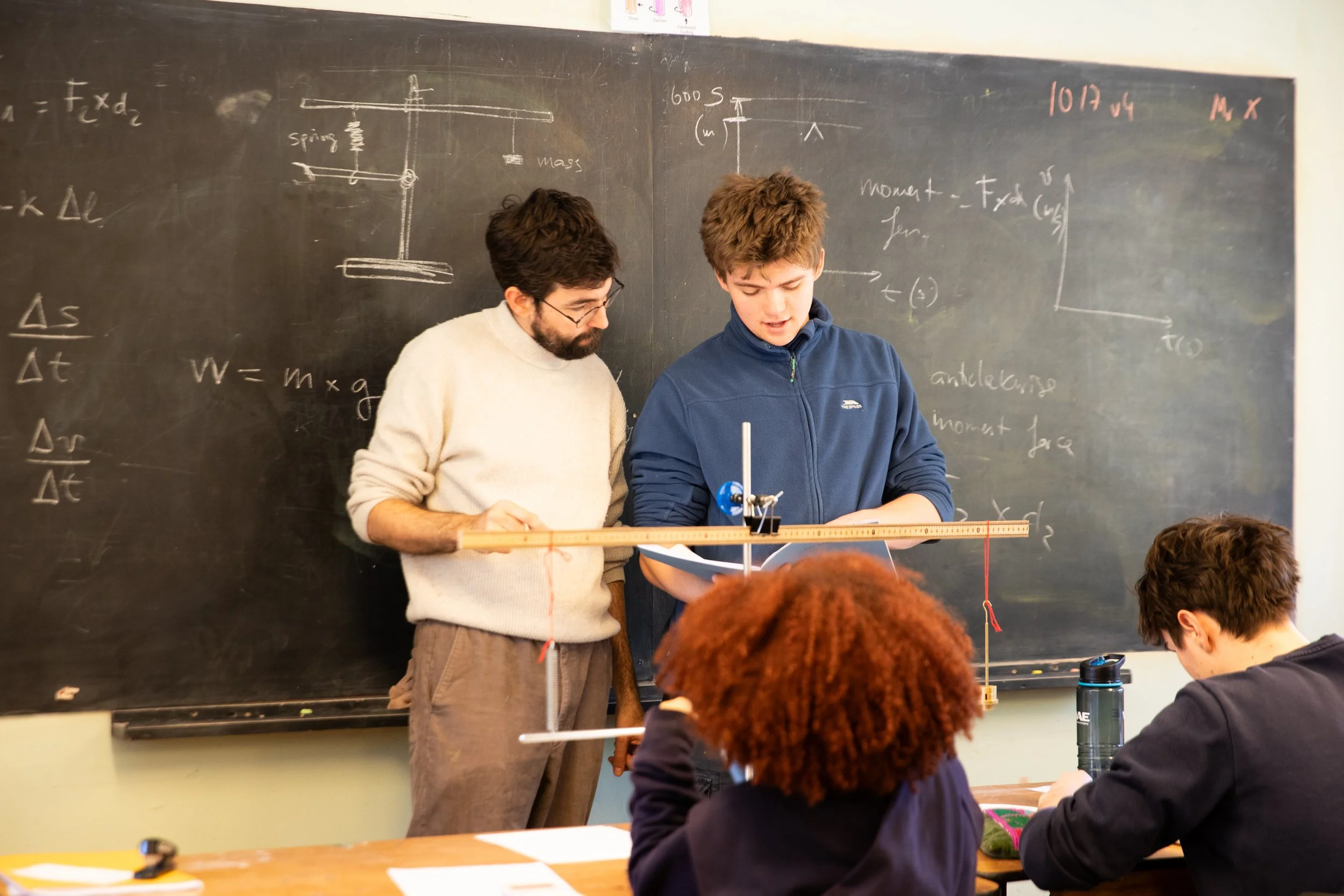
Normally, and as far as possible given exceptional circumstances, Class Teachers stay with the same group of children for eight years, from age 7 to 14. This means that the teachers know their children very well and are best placed to understand what support or challenge each child needs.
“… the custom should be followed […] as faithfully as possible of the teacher retaining his same pupils; of taking them over for the first form, of keeping them the next year in the second form, of going up with them again in the third year, etc., as far as this is possible in conjunction with outside regulations. […] For one must sometimes be able to come back years later in a positive way to what was instilled into the children’s souls years before. […] the formation of the disposition or feeling life suffers greatly when the children are passed every year to a fresh teacher who cannot himself develop what he instilled into children in earlier years. It is part of the teaching method itself that the teacher should go up with his own pupils through the different school-stages. Only in this way can we enter into the rhythm of life. […] The human organism conforms closely […] to a rhythm; not only the external organism, but the whole being, is rhythmically organised. For this reason, too, it is a good thing […] to be able to attend to rhythmical repetition. [and] we do well to think that even every year is not too often to return to quite definite educational themes. Therefore select subjects for the children, make a note of them, and come back to something similar every year. […] You teach, let us say, […] addition in the first school year; you come back to addition in the second, and teach more about it, and in the third year you return to it in the same way, so that the same act takes place repeatedly, but in progressive repetition.”
Rudolf Steiner
The Main Lesson
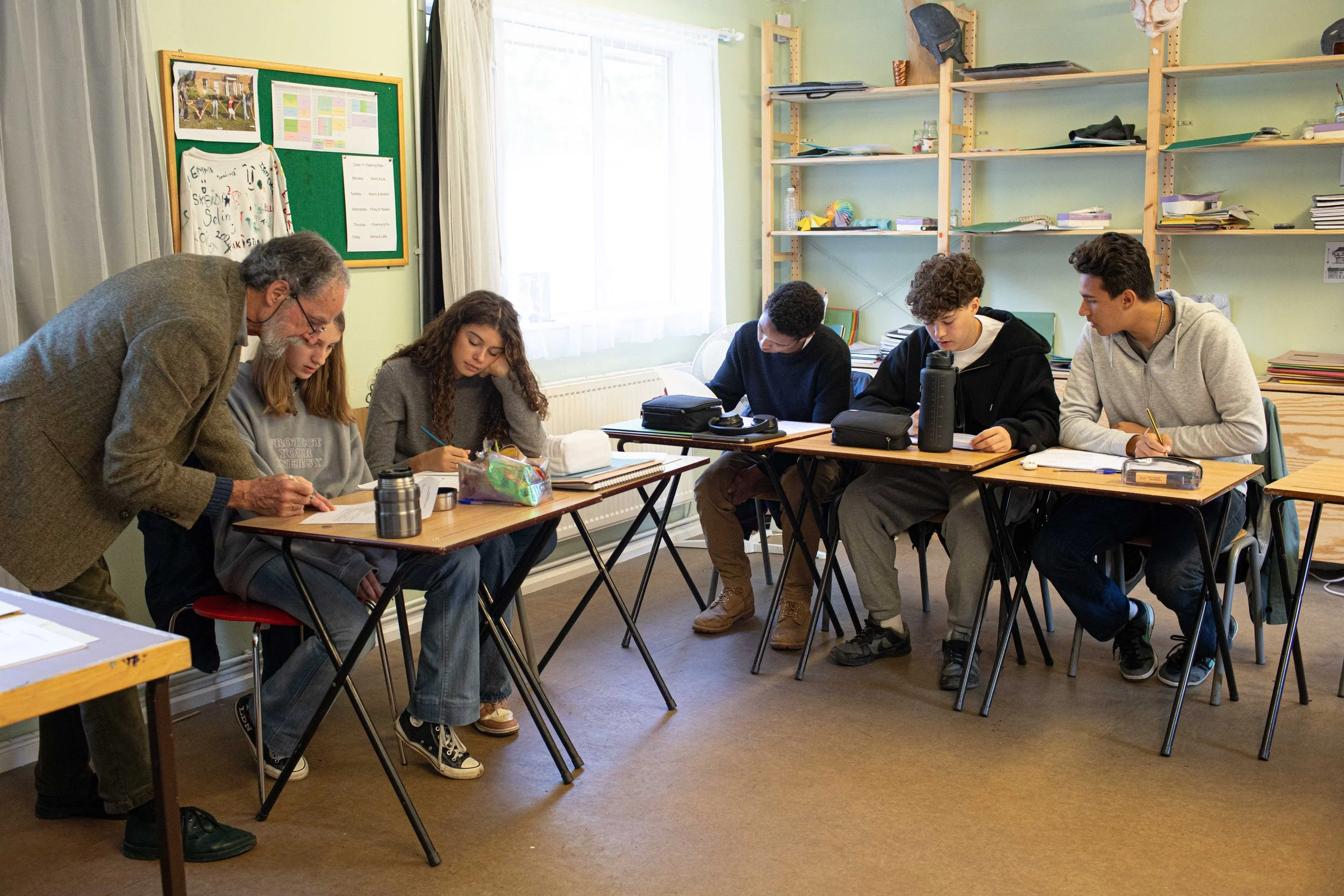
One of the traditions that, because it is so successful, has become firmly established in Waldorf schools is the Main Lesson. This is a two hour lesson first thing every morning in which subjects such as writing and reading, maths, geography, history and sciences are taught individually in three or four-week blocks. In this way, each topic can be entered into deeply and thoroughly for that time and, through continuity, the children can form a strong connection with what they are learning.
“Our whole attitude from first to last will be one of dealing with the same subject of study for some length of time.[…] We do not draw up a time-table according to which we write in the first lesson, read in the second, etc., but we deal for longer periods at a time with things of the same nature. […] so that we keep the children busy for some time at one subject, and then, only when they have been engaged on it for weeks, turn to something else. This concentrates the teaching and enables us to teach much more economically than if we were to allow the appalling waste of time and energy involved in taking one subject first and extinguishing it in the next lesson.”
Rudolf Steiner
The Main Lesson is carefully and rhythmically structured so that the children have to listen, work independently, participate, collaborate and think at different times. The subjects taught in Main Lessons are broad throughout the school and increase in diversity as the children get older. (for more information see our Curriculum Policy )
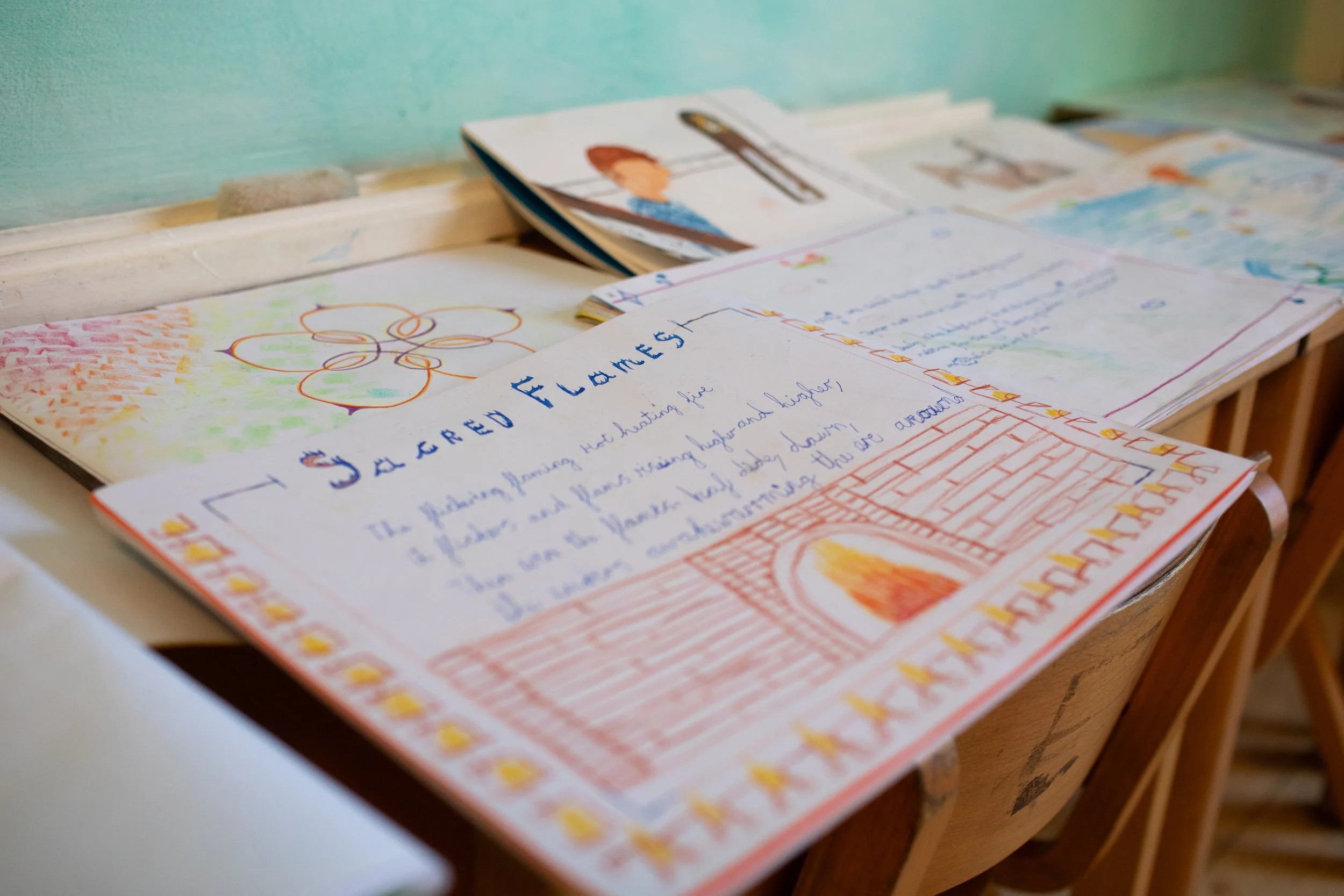
We believe that children learn best not by being told things, but through being active. Main Lessons often involve singing, music, recitation, movement, painting and drawing. These practical and artistic activities are not ‘added on’ to the conventional modes of learning; they are an integral part of any lesson and the children learn through them in a multi-sensory way, developing practical understanding, imagination and creativity.
Subject Lessons
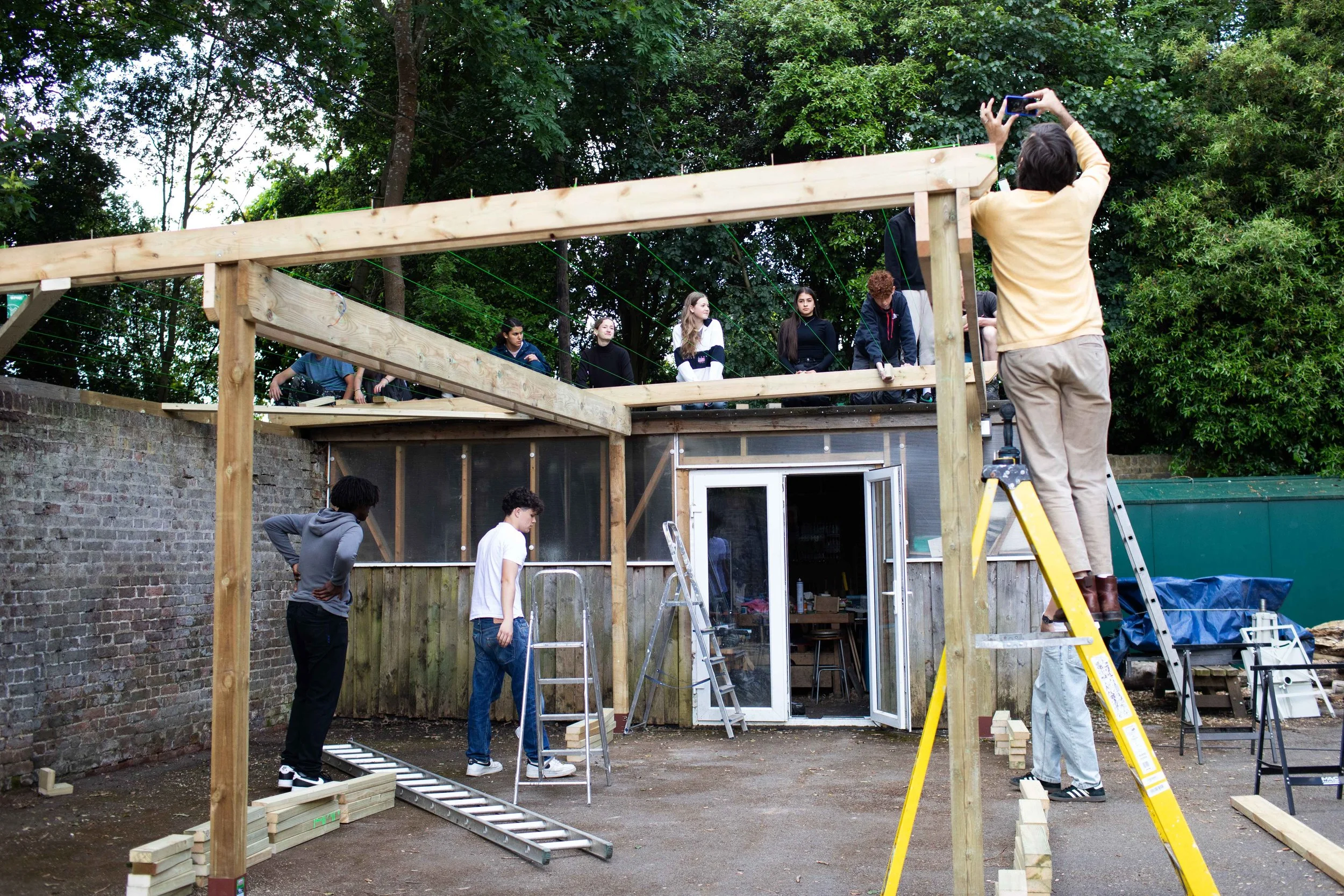
After the Main Lesson, there is a regular, weekly, year-long timetable of lessons in a variety of subjects including eurythmy, games, music, knitting, painting, wax modelling, form drawing, foreign languages and religion from Class 1 onwards, sometimes taught by the Class Teacher and sometimes by specialist teachers. These subjects change and develop as the children get older; crochet, sewing, clay modelling, woodwork, gardening, gym, sports and other things that are considered beneficial in individual cases are introduced later, each at an appropriate age.
We try to timetable the more intellectual subject lessons in the morning wherever possible, while artistic, practical and physical ones are usually in the afternoon.
“It will always be a question of finding out what the development of the child demands at each age of life. For this we need real observation and knowledge of Man. The child up to the ninth or tenth year is really demanding that the whole world of external nature shall be made alive, because he does not yet see himself as separate from it. In the form of stories, descriptions and pictorial representations of all kinds, we give the child in an artistic form what he himself finds in his own soul.”
Rudolf Steiner
Curriculum Content
The content of the lessons in each class is guided very much by the developmental needs – physical, emotional, cognitive – of the children in the class. The way children see the world and their place in it develops gradually, through identifiable stages, from total immersion to varying degrees of objectivity by the time they reach adulthood.
If the content of the curriculum, and the method of teaching, can be aligned with the characteristics of each stage, then a wonderful symbiosis is created whereby the lesson touches on the deep concerns of the child and arouses his/her interest; and, because s/he can relate personally to it, the child is able to understand and take in the content of what is being taught.
Our Teachers
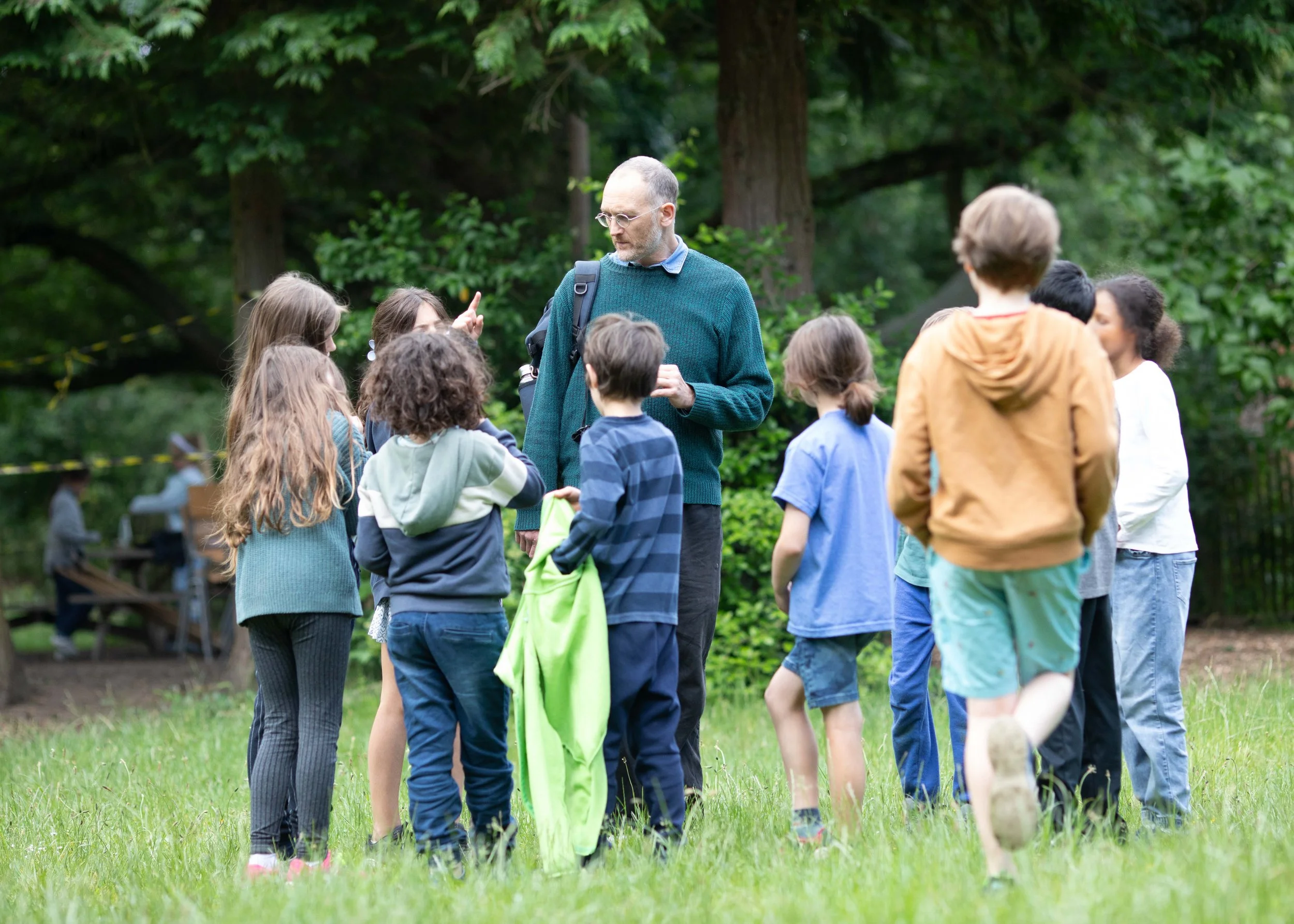
Our teachers are trained first in the picture of child development given by Rudolf Steiner, and in observation skills, and then in the practical approaches needed in the classroom. In this way, student teachers gradually develop the necessary skills and understanding to create the content and method of their own teaching.
This being the case – that every class, every child, every teacher is different – in order that we can give our teachers the freedom to be authentic Waldorf teachers and, at the same time ensure that all of the children receive a rich, diverse, balanced, education that takes account of their individual needs and interests, enabling each one to achieve all that is possible for him/her, it is a central and essential requirement that all teachers who work at The St Michael Steiner School are trained in Steiner Waldorf Education.
The school has a structured system whereby our teachers mentor, observe, consult and advise each other, so that the College, which is predominantly made up of teachers, has oversight of the education being offered across the school, and is accountable to the trustees, and of course also to the children and students and their parents, for its quality
Company information
The St Michael Steiner School is a registered charity number 1094960 and a company limited by guarantee no 04364394
How the School is Run
Steiner Waldorf Education comes out of an Anthroposophical understanding of the human being. This lies at the heart of our work and guides it. Some members of each of the teaching faculties belong to the Pedagogical Section of the School of Spiritual Science and contribute to the ongoing development of Waldorf education internationally.
The Steiner Waldorf Movement
The school is a full member of the Steiner Waldorf Schools Fellowship (SWSF) in the UK, which belongs to the European Council for Steiner Waldorf Education (ECSWE) and is part of the wider, international Steiner Waldorf schools movement. A member of College is a director of the London Waldorf Teacher Training Seminar (LWTTS). The school hosts teacher training students from LWTTS and from other UK and international training courses, for observation and teaching practice. The teaching Faculties organise professional development opportunities, including conferences, workshops, lectures and INSET days.
Anthroposophical Practitioners
Activities that have Anthroposophy as their source can contribute to the life of the school. The conventionally and anthroposophically trained School Doctor visits once a term to see individual children at the request of teachers and also in the summer term to assess the potential rising Class 1 children for school readiness. Sometimes she is accompanied by a second doctor who specialises in behavioural and learning difficulties. The doctors recommend actions and therapies, most of which can be carried out by the teachers, but sometimes trained therapists are called on. The school offers eurythmy therapy on-site.
Official bodies and outside agencies
The school is a company limited by Guarantee and a registered charity, so has a relationship with Companies House and the Charity Commission. It is a full member of the Steiner Waldorf Schools Fellowship and is inspected by Ofsted. The school also liaises with the local council (Hounslow), Social Services, as well as
the Social Service departments of the boroughs in which the children live, and the Dept. for Education as required. These and other official bodies and outside agencies communicate with the school via the Bursar/Administrator, the College Chair, the Safeguarding Leads, SEND co-ordinators and others as required.
Trustees
The school’s Articles of Association require that there are at least three Trustees, but in practice there are usually more. The school is a registered charity and, as such, must be able to act independently of the College, should the need arise, for example, if a complaint is made against a member of staff. In addition to the requirements of the Charity Commission, in order to to carry out its responsibilities effectively, the Trustee group needs to be comprised of people who have relevant experience and skills and who are able to take responsibility for the governance of particular areas of the school: Teaching & Learning; Pupils’ Spiritual, Moral, Social & Cultural Development; Welfare, Health and Safety of Pupils; and the Early Years, as well as the Leadership and Management of the school as a whole. The Trustees are ultimately responsible for the governance of the school, but they delegate the practical direction, leadership, decision-making and day-to day running of the school to the College, which acts on their behalf and is accountable to them. In order that they can do this, Trustees receive the agenda and minutes of the weekly College meeting, and all significant decisions must be ratified by them before they are enacted. Trustees are bound by the regulations and obligations laid down by the Charity Commission.
Our current Trustees
The School Association
Members of the school Association include parents, friends, staff and trustees. The Trustees and the College report to the parent body and wider community on all aspects of the school at the AGM. Trustees are proposed, appointed and retired according to the Memorandum and Articles of Association and the company accounts are presented at the AGM.
The College
The school has no Head Teacher but is led and managed by teachers and administrative staff working as ‘The College’.
The College is made up of staff members who have usually been at the school for more than a year and who are able to make a deeper commitment to, and take responsibility for, the leadership and management of the school.
Membership is by invitation from current College members.
Meetings are chaired by a member of the group; a new Chair is chosen periodically, by the group.
The College:
Oversees the general wellbeing of the school, ensuring that the aims and vision are kept in mind and reflected in practice.
Oversees and is responsible for monitoring all aspects of the education offered by the school, including the quality of planning and teaching, mentoring, professional development, student placements and teacher training placements. (see separate policy documents)
Oversees and is responsible for monitoring all aspects of the administration, management and day-to day operation of the school. (see separate policy documents)
Oversees and deals with, in consultation with the Trustees, through designated members who have responsibility for particular areas, legal and statutory matters and those concerning the school’s relationship with official bodies. (see separate policy documents)
Is the point of contact for parents who have questions, comments or requests for ‘the school’.
Meets every week during term time and on INSET days.
Invites faculty members, Trustees, advisors and other visitors to attend meetings from time to time or on request.
Reports to the teaching Faculties, Administration, Trustees and the School Association/parents, any decision/information that is relevant to them.
Holds a 2/3-day College ‘retreat’ every summer during which the visions and aims of the school are reviewed and re-confirmed.
Changes to College membership are communicated to parents via the school newsletter and at Association meetings.
The minutes of Early Years, Lower School and High School meetings are sent to all College members every week.
Chairs of faculty meetings are College members and answer questions arising from the minutes weekly.
The Financial Manager reports to College monthly.
College members with designated areas of responsibility report to College monthly.
The Bursar/Administrator reports from the Administration dept. weekly.
The Trustees meet with College termly as a minimum, receive the minutes of all College meetings and ratify significant College decisions.
The Bursar/Administrator is a member of College ex-officio and is the overall co-ordinator of all actions decided.

Teaching Faculty
The teaching in the school is organised in three areas: Early Years (0 – 6/7), Lower & Middle School (6/7 – 14) and High School (15 – 18). Some staff teach in more than one part of the school and this provides a link between the areas. The whole teaching faculty meets half termly to do a Child Study together. As far as possible, staff are employed full-time. This gives them a feeling of belonging to the school, and of being responsible for it. Staff for whom full-time contracts are not possible are employed on a pro-rata basis, so that they are at school for whole or half days, rather than just for their lessons. This means they can provide cover, break time supervision and generally be involved in the life of the school.
Early Years Faculty
The Early Years faculty consists of Kindergarten teachers and assistants and Parent and Child group leaders, two of whom are also members of College and report to College any significant decisions that are made, developments, plans and any events or activities that take place or are planned. The Early Years faculty meets weekly and makes decisions about all matters relating to children under Class 1 age. Minutes of meetings are distributed to all faculty members and to the College.
Lower and Middle School Faculty
The Lower and Middle School Faculty consists of all teachers who work with children in Classes 1 – 8, most of whom are also members of College and reports to College any significant decisions that are made, developments, plans and any events or activities that take place or are planned. The Lower and Middle School Faculty meets weekly and makes decisions about all matters relating to children in Classes 1 – 8. Minutes of meetings are distributed to all faculty members and to the College.
High School Faculty
The High School Faculty consists of all teachers who work with children in Classes 9 – 12, most of whom are also members of College and report to College any significant decisions that are made, development, plans and any events or activities that take place or are planned. The High School Faculty meets weekly and makes decisions about all matters relating to children in Classes 9 – 12. Minutes of meetings are distributed to all faculty members and to the College. Some High School teachers also teach in the Lower and Middle School and so are also members of the Lower and Middle School Faculty. This provides a strong link between these areas of the school.
Administration and Finance Dept.
The Administration and Finance dept. consists of the Bursar/Administrator, the Finance Manager and the Receptionist. They work closely together on a daily basis and discuss administrative, financial and communications issues, as well as relationships with official and regulatory bodies and service providers. The Bursar/Administrator attends College meetings, takes the minutes and is the co-ordinator of all information that needs to circulate in the school. She ensures that there is a designated person who takes responsibility for every action decided by the College and follows them up. The Financial Manager reports to College monthly, in person, and provides written reports in advance.
Official Registration and Inspection
The school is registered with the Department for Education (DfE), is a full member of Waldorf UK, and belongs to the Independent Schools Association (ISA). The school is inspected by the Independent Schools Inspectorate (ISI).